Georgia Mountain Home Exterior Painting Guide: Moisture Testing and Temperature Ranges for Long-Lasting Finishes

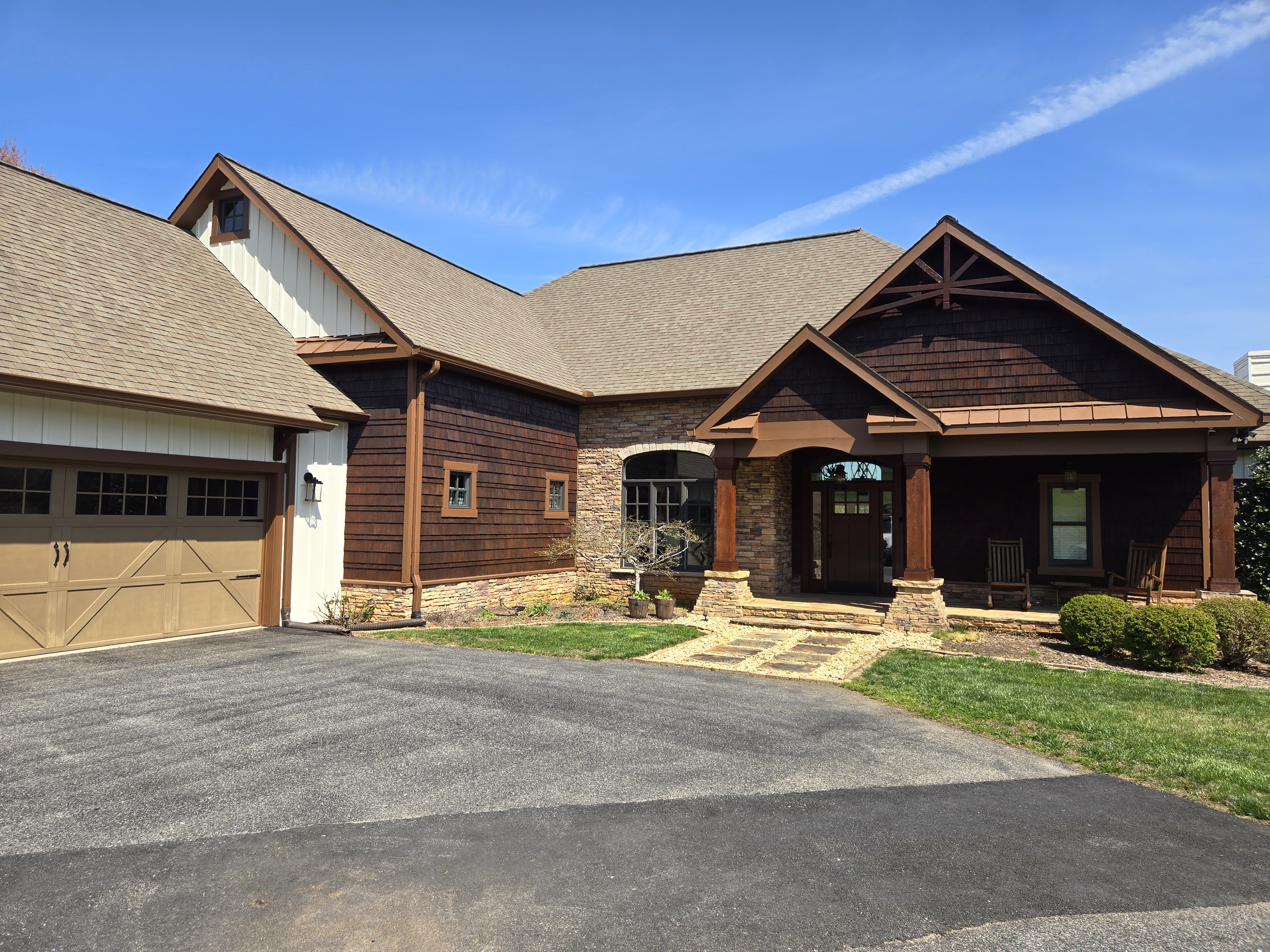
Mountain weather in Georgia is beautiful, but it can be tough on paint. If you want your exterior to look fresh for years, start with proven systems that control moisture and match the right temperature window for 100% acrylic latex coatings. This guide shows how Lopez Painting approaches exterior work across North Georgia and why timing, testing, and product choice matter. If you are planning exterior painting for a Georgia mountain home, here is what a professional crew will manage so your finish lasts.
Why Moisture Testing Matters In North Georgia
High ridgelines catch cool air and fog. Valleys trap shade and lingering dew. Both raise the moisture content inside wood. When wood is too wet, paint cannot bond, and early peeling follows. Professional crews test siding, trim, cedar shakes, and log faces before any primer or topcoat goes on.
Pros use a calibrated pin or pinless meter and record readings across sun and shade sides. They check end grain, knots, and horizontal trim where water hangs around. Readings vary by species and exposure, but crews look for stable, repeatable numbers before coating. Painting on damp wood almost guarantees premature failure, even with premium acrylic.
Pro-Grade Moisture Testing For Wood, Cedar, And Logs
Mountain homes often mix substrates: pine or fir lap, cedar shakes, heavy log accents, and composite trim. Each behaves differently. Cedar and logs can hold moisture deep below the surface, so a quick surface test is not enough. A pro will test multiple depths and return at different times of day to confirm the trend is going down, not up.
- The target range many pros accept for most exterior softwoods is typically at or below the mid-teens for percent moisture content before coating.
- End cuts and checks are the weak points. They get sealed or back-primed with a bonding primer designed for tannin-rich woods like cedar.
- Knots may be spot-primed to block bleed-through that shows as amber stains under light colors.
Skipping these steps lets trapped water push against the coating from the inside. That is why Lopez Painting documents moisture readings during prep and before prime.
Best Temperature Windows For 100% Acrylic Latex Paint
Temperature drives how acrylic coalesces and cures. In the Georgia mountains, spring and fall can swing 30 degrees in a day. Crews pick the right daily window so paint forms a tight film without flashing, sagging, or surfactant leaching.
Here are general conditions professionals aim for with standard 100% acrylic latex. Always follow the label for the specific product being used.
- Air and surface temperature in a safe mid-range, often between the low 50s and mid 80s Fahrenheit for common formulations.
- Low-temperature acrylics can extend working windows into the upper 30s to 40s, but timing still matters to avoid evening drop-offs.
- Surface temperature at least several degrees above the dew point until the film has set.
- Steady, moderate humidity helps. Very high humidity slows cure. Very low humidity with wind can skin the film too fast.
North slopes near streams in places like Blue Ridge or Ellijay may never warm up as much as the front elevation that faces the sun. Crews often stage work so shaded walls are coated during the warmest, driest part of the day. Sunny walls may be painted earlier or later to avoid hot, glaring panels that can flash-dry.
Humidity, Dew Point, And Mountain Microclimates
It is not just the temperature number. Dew point changes fast after afternoon showers or when fog lifts. If the surface cools to the dew point, moisture condenses on the wall, and acrylic cannot form a tight film. That is why pros monitor both readings and watch forecasted swings, not just the current temp.
Painting when the surface is within a few degrees of the dew point is risky. A professional crew tracks these shifts and adjusts the schedule so cure time is protected. They also keep an eye on overnight lows. A clear, cold night can stall curing paint that looked perfect at 2 p.m.
Protecting Cedar Siding And Log Accents From UV And Shade
Cedar and log details give mountain homes their character. They also need special care. UV rays on ridge-facing walls bleach and break down lignin, while shaded walls fight mildew and slow drying. Your contractor balances both with the right primers, topcoats, and maintenance plan.
For UV control, tinted systems outperform clears. Pigment acts like sunscreen. On the shady sides, breathable coatings with built-in mildewcides help shed moisture yet let vapor escape. Joints, checks, and end grain on log trim get sealed thoughtfully so water cannot wick in. One weak joint can feed rot behind a beautiful finish, so details matter more than brand labels.
Surface Prep Built For Mountain Homes
Prep is where long life begins. Georgia red clay dust, pollen, and mildew need more than a rinse. A pro will select the right cleaning approach and protect landscaping, wells, and streams along the way.
Many projects start with a controlled wash to remove chalk, dirt, and organic growth. When heavier cleaning is needed, crews may recommend related services. If your siding has embedded grime or mildew, see how a gentle cleaning step supports coating adhesion by visiting pressure washing for exteriors. After cleaning, wood repairs and caulk are completed, followed by primers matched to the substrate. Only then does the finish coat go on, inside the correct temperature and humidity window.
Durable Coatings And Primer Choices For Georgia Conditions
Modern 100% acrylic latex paints are popular in the mountains for a reason. They flex with seasonal expansion, breathe better than old oil systems, and resist UV. For cedar, a stain-blocking primer helps prevent tannin bleed. For previously painted fiber-cement or well-cured masonry, an acrylic bonding primer may be ideal. On high-UV faces, some homeowners choose a satin sheen to reflect light and hide minor surface variation. In deep shade, a low-sheen finish can make mildew less noticeable between maintenance cycles.
Color also plays a role. Dark colors absorb heat, which can drive thermal movement and stress joints. Lighter, high-reflectance colors can reduce surface temperature a bit on south and west exposures. Your contractor can balance the look you love with performance goals, so you get fewer cracks at seams and nail heads.
Quality Control And Cure Monitoring
Coatings can look dry long before they are ready for mountain rain or overnight fog. Professional teams track set, dry, and recoat times, which change with the weather. On breezy ridge tops or in shaded hollows, they may extend the recoat window to allow proper film formation. Touch-ups are logged so they cure fully before final cleanup. The result is a tighter, more even finish that resists peeling and chalking.
Documentation matters. Moisture readings, product batch numbers, and weather notes give you peace of mind. If your home includes cedar shakes or logs, your project file should also list primers and sealers used on end grain and checks. That record guides future maintenance and keeps your color consistent over time.
How Our Exterior Process Fits Georgia’s Seasons
Spring brings rain bursts and chilly mornings. Fall brings warm days and quick drops after sunset. Summer along the lakes can be humid after afternoon storms. Lopez Painting builds your schedule around these patterns. Walls that catch the first sun are coated early while shade sides wait for a safe surface temperature. When cold nights arrive, low-temperature acrylics may be used within their labeled range, and crews wrap earlier to protect the cure.
Communication is key. You will get a calendar, but also a plan B when mountain weather turns. That flexibility keeps quality high and protects your landscaping, decking, and outdoor furniture. If you want to see the service in action, review our approach to exterior painting on North Georgia homes and how we time each step for a lasting finish.
Maintenance Planning For Cedar And Log Details
Sun-splashed gables near Hiawassee or Blairsville may need earlier touch-ups than shaded porches in Helen. That is normal. The best plan is simple: inspect the sunny sides first each year and look for fading, hairline checks, and open joints. When the first signs show, a light clean and a maintenance coat keep the system strong instead of starting over later.
On shade sides, watch for darkening near the bottom courses and around window trim. Better airflow and clean gutters move water away from wood. Where rooflines feed splashback, drip edges and careful caulk detail prevent capillary wicking. Your project manager will note these spots in the final walkthrough so you know what to watch between seasons.
Choosing A Painting Contractor You Can Trust
You deserve a finish that looks great and lasts. Look for a mountain-experienced crew that tests moisture, monitors dew point, and stages work around daily weather windows. Ask how they protect cedar and logs, which primers they use, and how they document conditions. A reliable partner also shares maintenance notes so your next touch-up is simple.
Want to learn more about professional standards and seasonal planning? Browse our field notes and painting contractor tips for practical guidance tailored to the Georgia mountains.
Ready For A Longer-Lasting Finish?
If you want a crisp, durable result, partner with a team that treats moisture and temperature as non‑negotiables. Start by learning more about our Georgia painting contractor to see how Lopez Painting supports homeowners from estimate to final walk‑through. Or talk with us now at 770-820-3859. For project planning, scope, and scheduling windows, explore the service page for exterior painting and see how we tailor the process to the Georgia mountains.
Bottom line: moisture testing, timing, and product match are the guardrails that protect your home. When those three align, your paint film cures stronger, resists UV better, and handles shade-side moisture without peeling. That is the recipe for a beautiful, low‑stress exterior in North Georgia.
.jpg)
.jpg)
LATEST HOME IMPROVEMENT ARTICLES
-
Ellijay Bathroom Tile Waterproofing: Preventing Mold and Moisture Damage in Mountain Homes
Mountain air feels fresh, but bathrooms in the Ellijay river valleys trap humidity fast. That is why Ellijay bathroom tile waterproofing is the foundation of any remodel that lasts. In our climate, steam, daily showers, and mineral-rich well or spring water push tile assemblies to their […]
-
Exterior Painting Guide for Mountain Homes
Mountain weather in Georgia is beautiful, but it can be tough on paint. If you want your exterior to look fresh for years, start with proven systems that control moisture and match the right temperature window for 100% acrylic latex coatings. This guide shows how Lopez […]